

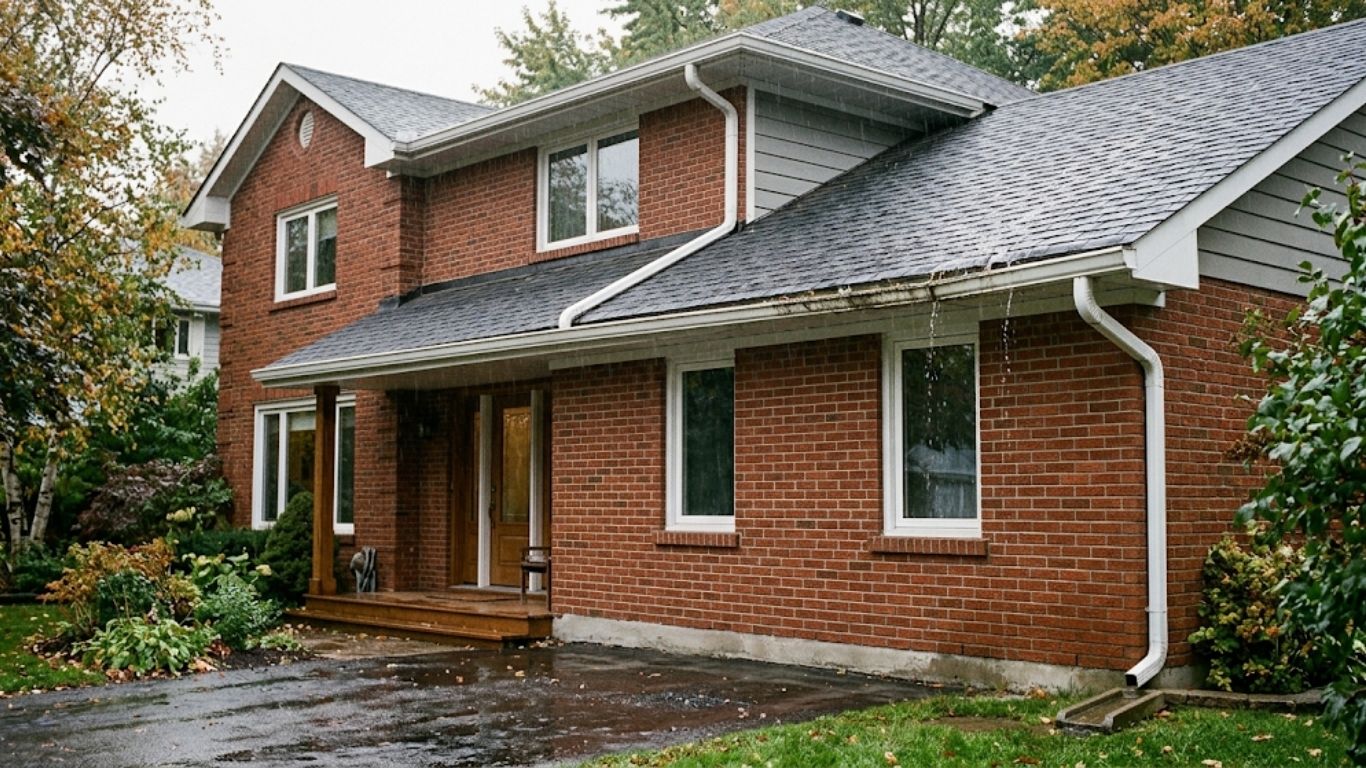
Do You Need Gutter Replacement? Signs to Watch For
Rainwater spilling where it should not can turn a small gutter concern into a property-wide warning. When several problems appear together, gutter replacement may become more sensible than another round of repairs. Knowing which signs matter helps you protect siding, fascia, landscaping, and foundations before drainage problems spread.
Some gutter problems respond well to cleaning, resealing, or a new hanger in one damaged area. Aging sections that sag, split, leak repeatedly, or overflow after maintenance tell a different story. The overall condition helps you judge whether a focused repair or complete replacement makes more sense.
What Are the Most Common Signs You Need Gutter Replacement?
The clearest replacement clues are recurring failures that remain after cleaning, sealing, or basic hardware repairs. Sagging, leaks, corrosion, and overflow become more meaningful when they affect several sections or keep returning. Professional evaluation helps determine whether the system still responds to repair or has reached a replacement threshold.
When Gutter Replacement Makes More Sense Than Another Repair
Localized gutter trouble may still respond well to cleaning, resealing, or a straightforward hardware repair. Replacement becomes more credible when the same drainage failures return across multiple sections after reasonable maintenance. Several warning signs together can show when gutter replacement deserves consideration instead of another temporary fix.
Sagging that returns after hanger repairs suggests the system may no longer hold the slope needed for reliable drainage.
Cracks, holes, or corrosion across multiple runs show that material deterioration extends beyond one repairable spot.
Leaks returning after resealing suggest several joints or seams are losing their ability to contain runoff.
Overflow that continues after cleaning points toward pitch, capacity, or downspout problems rather than trapped debris.
Staining, eroded soil, or damaged trim may show that drainage trouble already affects areas beyond the gutters.
Recurring failures after maintenance suggest the problem extends beyond one isolated weak point. Repair history and overall system performance reveal whether individual fixes are solving problems or merely shifting them elsewhere. Comparing those factors helps you judge whether continued repair still offers enough value.
Sagging and Separation Show the System Is Losing Its Shape
Gutters depend on steady slope, secure attachment, and aligned sections to move water toward each downspout. Visible sagging or separation can interrupt that path and leave runoff collecting where the system should drain. Loose hangers may also change the gutter angle enough to reduce drainage performance along the roofline.
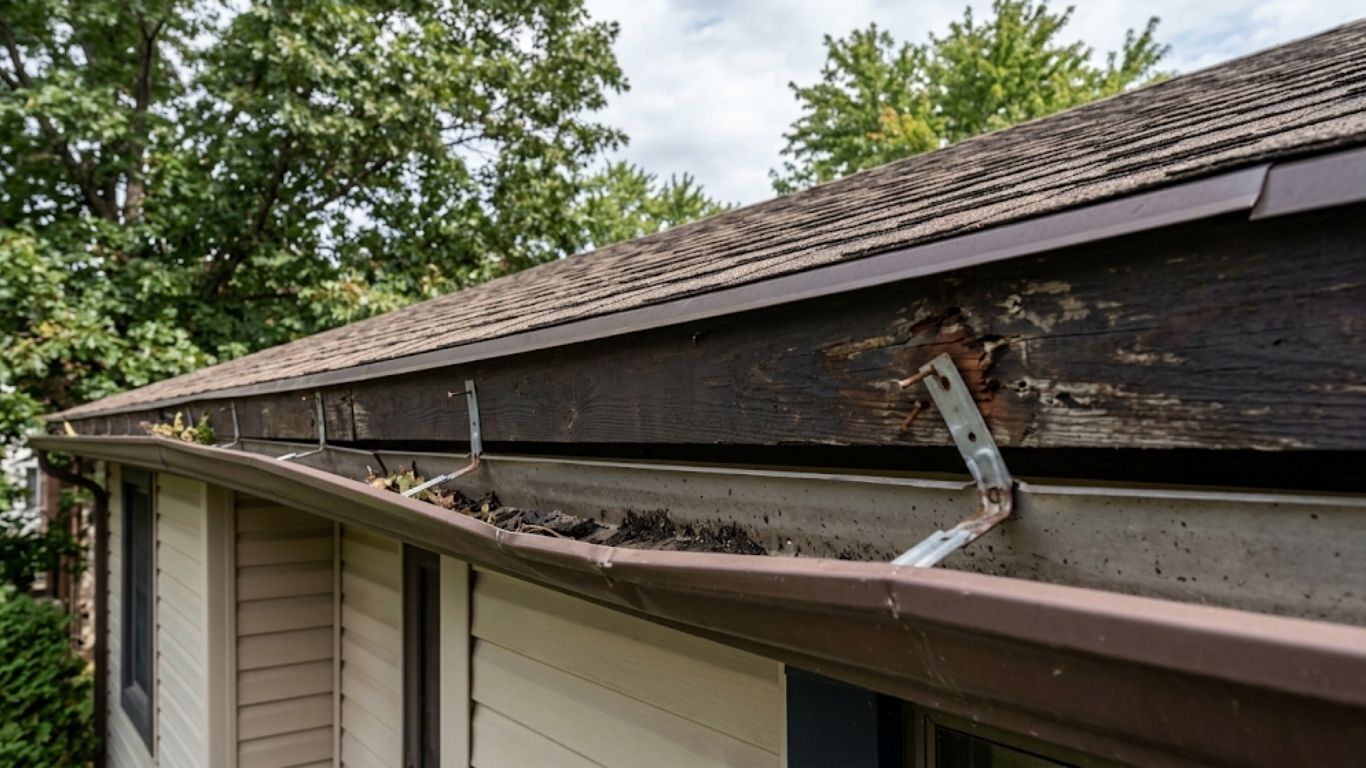
Repeated deformation often makes gutter replacement more practical than replacing one bracket at a time. Persistent shape problems place extra strain on joints, end caps, and connected downspout openings over time. Attachment points and pitch help show whether hardware repairs can restore alignment or damaged sections need replacement.
Surface Damage Can Become a Gutter Replacement Warning
Cracks, pinholes, rust, peeling finish, or split seams often indicate that gutter materials are losing strength. Damage across several sections makes repeated sealing less worthwhile as aging material continues to break down.
A gutter replacement decision becomes easier when defects keep spreading despite localized repairs. Compare the number, location, and severity of problem areas before deciding whether another repair is worthwhile.
Watch the Roofline for Gutter Replacement Clues
Water marks below the gutter line often reveal runoff escaping before it reaches a downspout or discharge point. Stained fascia, peeling paint, or softened trim may indicate that overflow has happened more than once.
Pooling near the foundation or eroded soil may trace recurring water problems back to poor gutter control. Surrounding damage strengthens the case for gutter replacement when drainage problems extend beyond a single section.
Look at where water appears and whether the same areas keep showing damage after repairs. Repeated evidence around the roofline reveals whether the gutter system still directs runoff where it belongs.
Capacity Problems Can Outlast Cleaning and Small Repairs
Clean gutters may still overflow when their size, pitch, or downspout layout cannot handle the roof’s runoff. Larger roof areas often send more water toward certain sections than smaller gutters can move away quickly.
Persistent capacity problems may justify gutter replacement after cleaning and minor corrections fail to improve runoff. A professional can compare gutter size, roof area, slope, and downspout placement before recommending a larger system. The comparison shows whether adjustments could improve drainage or a differently sized system would perform better.
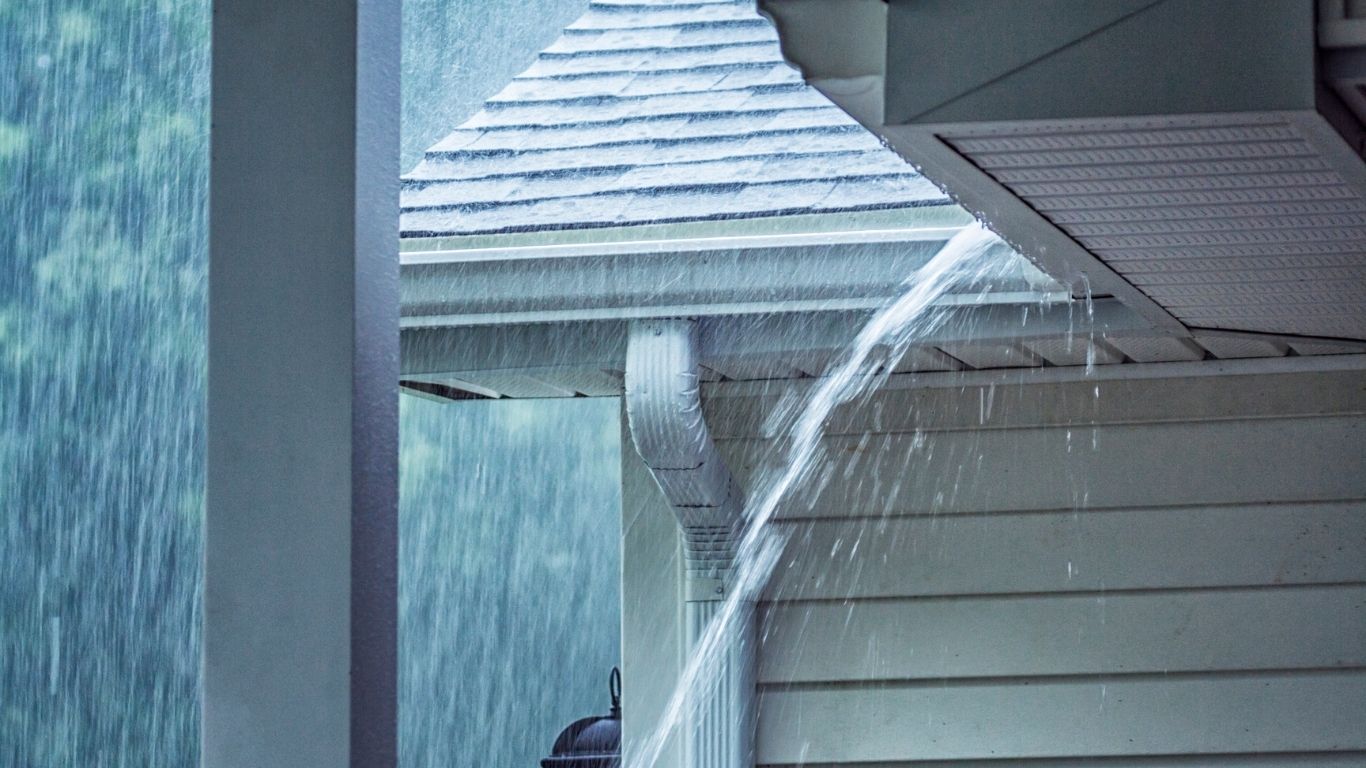
Matching capacity to actual runoff helps the gutter system manage heavier rain without depending on repeated fixes. Proper sizing also reduces the chance that water repeatedly escapes at the same overwhelmed sections.
Restore Reliable Drainage Around Your Property
A dependable gutter system should move roof runoff away without repeated leaks, overflow, sagging, or surrounding damage. When several problems continue after maintenance, gutter replacement may provide a stronger long-term answer than isolated repairs. Understanding condition and capacity helps you decide whether another repair remains worthwhile or replacement is justified.
For property owners weighing repair against replacement, Moss Home Improvement can evaluate how the current system handles runoff. The findings should explain whether alignment, capacity, or material wear is driving the recurring drainage problem. Start a gutter assessment with the team before recurring drainage problems create more damage around your property.