

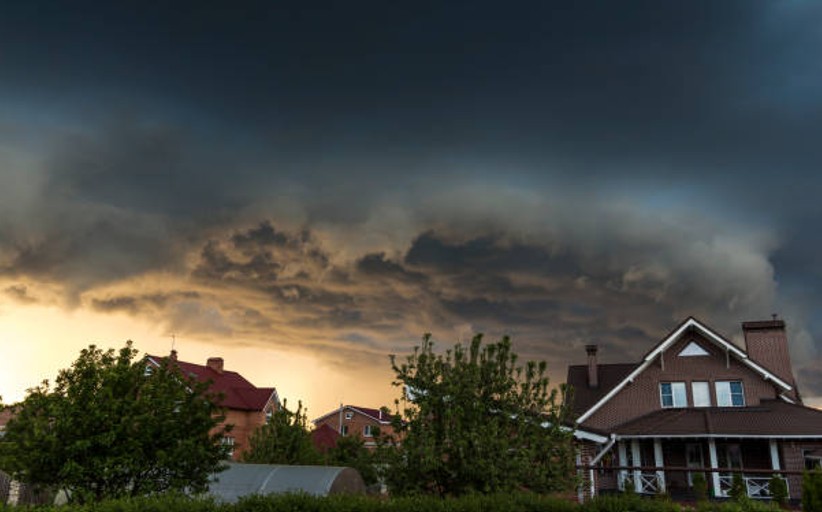
Preparing Your Roof for Summer Storms
Roof storm damage is easier to prevent when you prepare ahead of summer storms. Wind, heavy rain, and hail can expose weak spots that seemed minor during calmer weather. That is why a seasonal roof check is one of the smartest ways to protect your home before storm season starts.
Small roofing issues rarely fix themselves. A loose shingle, clogged gutter, or worn flashing detail can turn into a leak once storm conditions arrive. A summer storm checklist helps homeowners catch those problems early, reduce repair risks, and avoid more expensive damage later.
Why Roof Storm Damage Often Starts with Small Issues
Most roof storm damage starts before the storm ever reaches your home. A lifted shingle, a worn seal around a vent, or a small gap near flashing may not look serious from the ground. Once wind, rain, or hail hits that weak spot, the damage can spread fast.
That is why summer storm preparation should work like a must-do seasonal checklist. Shingles should sit flat, flashing should stay tight, and gutters should move water away from the roofline. These small details help your roof withstand heavy rain, high winds, and hail before storm season gets active.
Even a small opening can let wind-driven rain reach the decking, insulation, ceilings, and walls. The goal is simple: catch the loose shingle, cracked seal, or weak roof edge before the first major summer storm turns into an emergency roofing repair or installation.
Check Shingles Before Roof Storm Damage Gets Worse
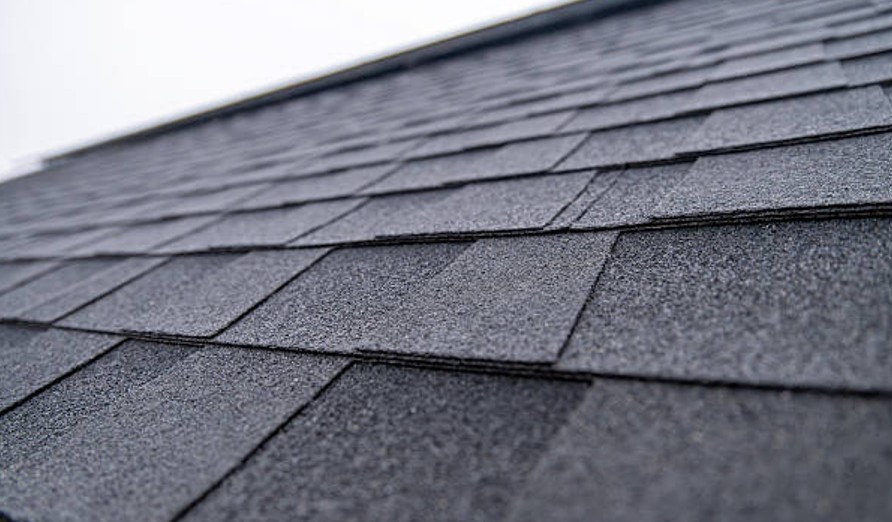
Your shingles are one of the first places to check before summer storms arrive. Wind can lift loose edges; hail can bruise the surface, and heavy rain can push water under cracked or curled areas.
Before storm season starts, look for warning signs such as:
Missing shingles: Exposed areas can let water reach the roof underneath.
Lifted or curled shingles: Loose edges can catch wind during a storm.
Dark patches: Worn spots may point to granule loss or surface damage.
Granules in gutters: A heavy buildup can indicate the roof surface is wearing down.
Shingle pieces in the yard: Broken pieces may signal recent wind damage.
These signs do not always mean the entire roof needs to be replaced, but they do mean the roof should be inspected before severe weather arrives. Quality materials also matter when repairs or replacement are needed. GAF roofing products can provide a stronger long-term roofing solution to withstand wind, rain, or hail that turn small issues into leaks.
Clean Gutters to Help Prevent Roof Storm Damage
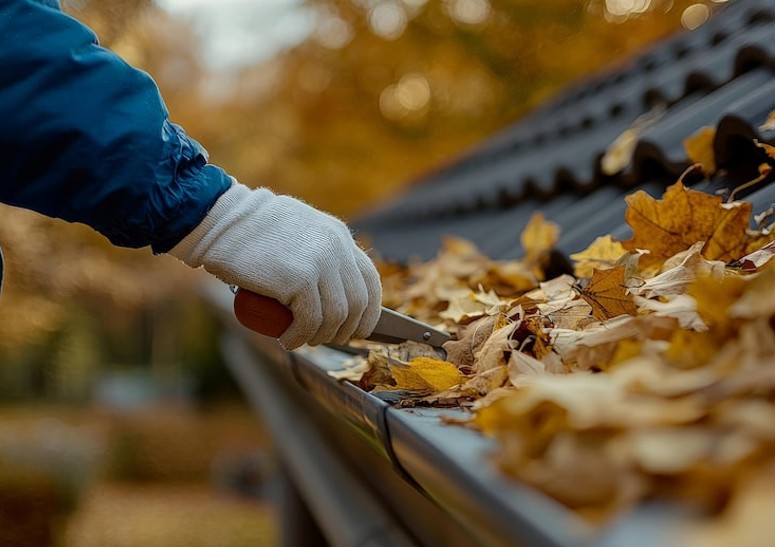
Heavy rain needs a clear path off your roof. When gutters are clogged with leaves, twigs or shingle debris, water can back up near the roofline instead of draining away from the house.
That overflow can create several problems at once. Water may seep under shingles, soak fascia boards, run behind siding, or pool near the foundation. A small gutter issue can quickly turn into roof storm damage when several inches of rain fall in a short time.
Before summer storms arrive, gutters should be cleared and checked for sagging, loose sections, and poor drainage. Reliable gutter systems and proper gutter installation help move water off the roof and away from the home. This is also a smart time to look for heavy shingle granules in the gutter, which may signal roof wear before the next round of severe weather.
Inspect Flashing and Vents Before Roof Storm Damage Spreads
Some of the most common roof leaks start around flashing, vents, and other roof openings. These areas help keep water out where the roof changes direction or connects to another surface. When they loosen, crack, or separate, storms can push water into places it does not belong.
Chimneys, pipe boots, wall transitions, and roof vents all need close attention before summer storms hit. Wind-driven rain can blow sideways under loose materials and into small gaps that may not leak during lighter weather. Once water gets behind flashing or around a vent, it can spread into the decking, attic insulation, and interior ceiling.
A professional roofing installation crew can inspect these vulnerable areas and recommend the right repair before the problem grows. If storm damage has already exposed a larger roofing issue, GAF roofing products can support a stronger long-term roofing solution.
Trim Trees and Clear Debris Before Roof Storm Damage Happens
Trees can pose a serious roof hazard during summer storms with high winds. Overhanging limbs may scrape shingles, loosen gutters, or break onto the roof during severe weather. Even smaller branches can damage roofing materials when they hit with enough force.
Before storm season starts, walk around your home and look for branches hanging close to the roofline, gutters, chimneys, and upper-story roof sections. Loose debris can also trap moisture against the shingles, which may weaken the surface and worsen existing roof issues.
Clearing debris and trimming back problem branches gives your roof a better chance during the next storm. It also helps gutter systems drain properly during heavy rain. If you notice damaged shingles, loose gutters, or worn areas on the roof after removing debris, schedule a roof inspection before the next storm tests those weak spots.
Schedule a Roof Inspection Before Storm Season Starts
The best time to address roof storm damage is before it happens. A professional inspection gives you a clear look at your roof’s condition before wind, rain, and hail put it under pressure.
During a seasonal roof inspection, Moss Home Improvement can check shingles, flashing, gutters, vents, and other vulnerable areas. Their team can look for loose materials, drainage concerns, and early warning signs that may not be obvious from the ground.
Do not wait for the first major summer storm to reveal a weak spot. Contact Moss Home Improvement today to schedule a roofing installation consultation or repair and get your home ready before storm season starts.