

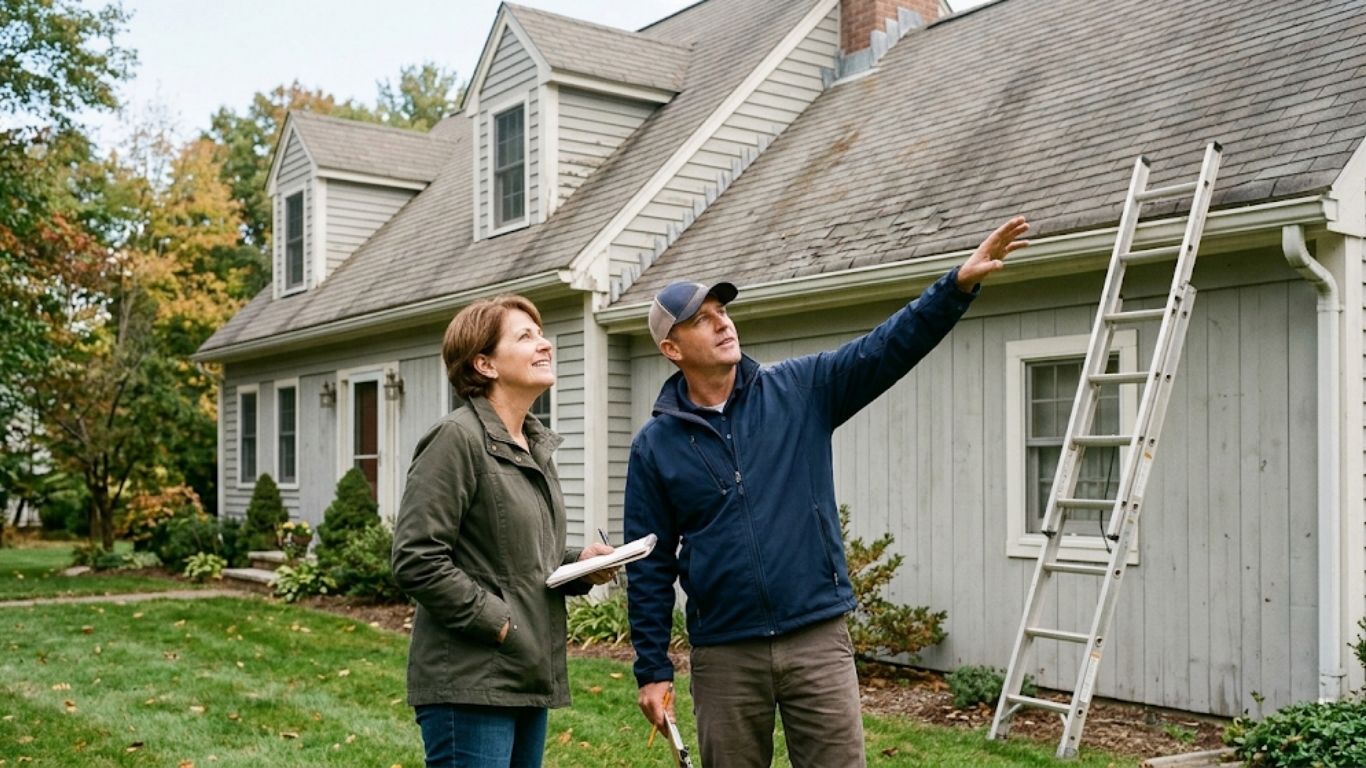
How to Know If You Need a New Roof
Roof replacement rarely comes down to one dramatic problem appearing overnight on an otherwise healthy home. Several signs you need a new roof can develop gradually across different parts of the roofing system. Recognizing how those clues connect helps you judge whether another repair still makes sense for your property.
Age, repair history, interior moisture, and widespread material wear all provide useful context when replacement becomes a question. A localized defect may need only a repair, but recurring problems across the roof can suggest broader deterioration. A closer look at the pattern helps you make a more informed roofing decision without relying on guesswork.
What Are the Most Reliable Signs You Need a New Roof?
The most reliable signs you need a new roof include widespread material damage, recurring leaks, and visible structural changes. Roof age and repeated repairs also matter when those problems appear across several areas instead of one isolated section. Several warning signs appearing together usually provide stronger replacement evidence than any single symptom on its own.
Roof Age Gives You Context, Not the Final Answer
The number of years on a roof offers useful context, but age alone cannot determine replacement. Materials, installation quality, weather exposure, and maintenance history all influence how long a roof remains dependable. You should weigh age alongside current condition instead of treating a certain number of years as an automatic deadline.
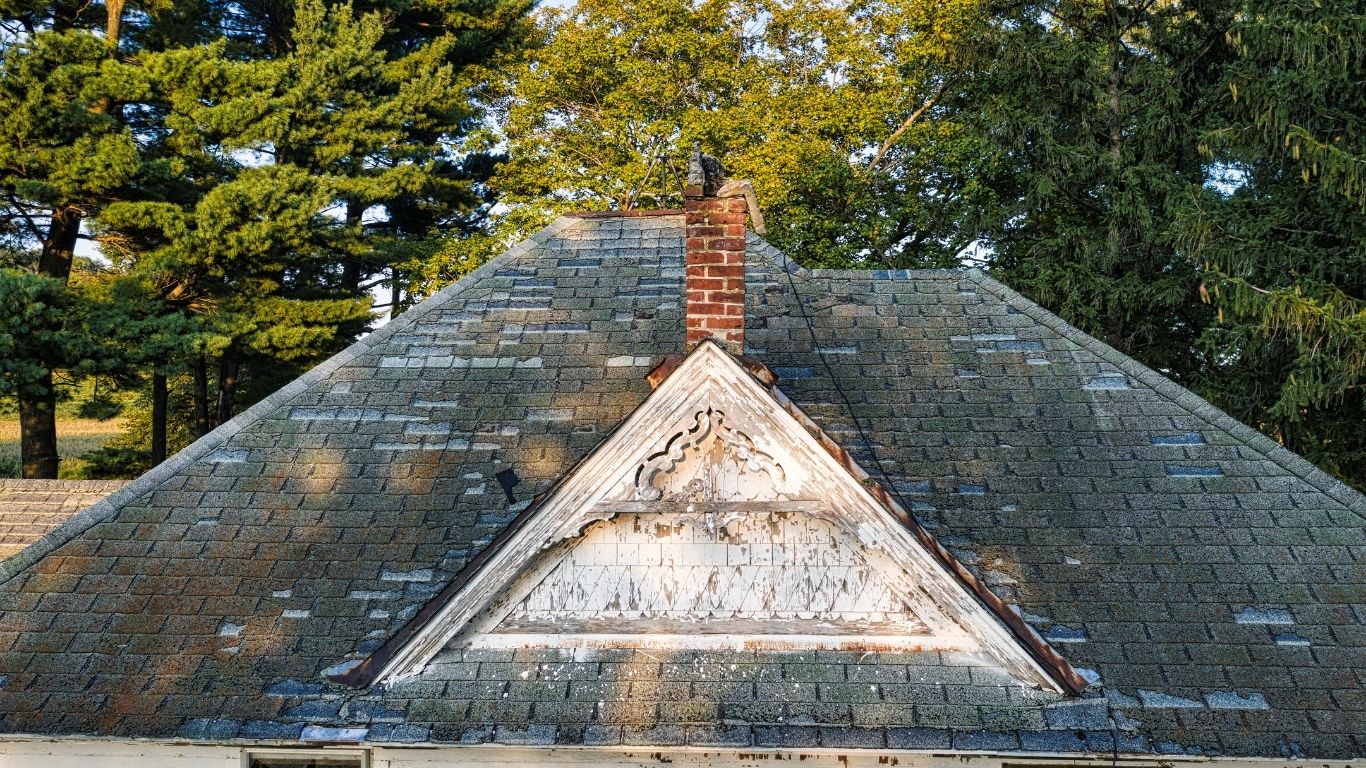
Older roofs deserve closer attention when signs you need a new roof appear across several areas or repairs become frequent. Combining age with condition gives you a clearer basis for deciding whether repair or replacement makes better sense.
Signs You Need a New Roof Usually Add Up Across the System
Roof-wide patterns matter more when damage appears across multiple slopes, components, or problem areas. The signs you need a new roof become more meaningful when deterioration affects several parts of the system. Evaluating the roof as a whole helps reveal whether isolated repair still makes sense or overall performance has declined.
Widespread Shingle Damage Can Signal Broader Wear
Shingles that curl, crack, loosen, or lose heavy amounts of granules can signal broader material decline. Damage spread across multiple slopes deserves more attention than one isolated section affected by a recent event.
Repeated Leaks May Be Among the Signs You Need a New Roof
Leaks returning in different areas can suggest the roof no longer sheds water as reliably as before. Repeated moisture problems also matter when earlier repairs solved one location but new leaks continue appearing elsewhere.
Sagging or Structural Changes Need Professional Attention
Visible dips, uneven rooflines, or soft decking found during inspection can indicate conditions beyond ordinary surface wear. Professional evaluation is important because structural changes can involve decking, framing, moisture damage, or several issues together.
Multiple symptoms pointing toward the same decline create a stronger replacement case than unrelated, localized defects. A full-system view helps you decide whether another repair still protects the property reasonably well.
Repeated Repairs Can Change the Replacement Equation
Frequent roof repairs can become a warning sign when new problems keep appearing in different areas. A localized fix may solve one issue, but repeated service calls can reveal wear across larger roof sections. Past service records add context when you assess the roof’s overall condition and remaining reliability.
A growing pattern of leaks, loose materials, or flashing failures can make continued patching less practical over time. The signs you need a new roof become more convincing when repairs no longer restore dependable performance.
Your roofer should compare recent repair history with the condition of surrounding materials before recommending another fix. That comparison helps you judge whether another repair still protects the property or only delays a larger project.
Look Inside for Signs You Need a New Roof
Interior clues can reveal roofing problems that remain difficult to spot from the ground or exterior surface. Ceiling stains, damp insulation, and recurring attic moisture may suggest water is entering above the living space. Daylight through roof decking or noticeable movement can also point toward more serious deterioration.
Several signs you need a new roof become more meaningful when interior symptoms appear alongside exterior wear. One isolated stain does not automatically mean full replacement, especially when a small flashing issue caused the leak. Tracing interior evidence back to the roof helps determine whether repair remains reasonable or broader replacement deserves consideration.
Before Replacement, Confirm the Signs You Need a New Roof
Replacement should not be the default answer simply because several roofing problems appear at the same time. A professional evaluation should determine whether damage remains localized, affects several areas, or reaches the underlying roof assembly. Decking condition, material wear, and repair history all help clarify whether another repair can still provide dependable protection.

Several signs you need a new roof carry more weight when findings confirm widespread deterioration across the system. The recommendation should identify which conditions justify replacement and which areas may still respond well to targeted repair. If replacement makes better sense, that recommendation should reflect the roof’s condition, remaining service life, and long-term property needs.
Make the Replacement Decision With Confidence
A roof replacement decision should come from the full condition of the system, not one isolated symptom. Age, recurring repairs, interior moisture, and widespread wear provide stronger evidence when several problems appear together. Recognizing the signs you need a new roof helps you approach replacement with clearer expectations and fewer assumptions.
Moss Home Improvement can assess your roof and explain whether repair or replacement better fits its current condition. A well-supported recommendation helps you protect your property without replacing roofing materials earlier than necessary. Request a professional roof evaluation before deciding whether another repair still makes sense.